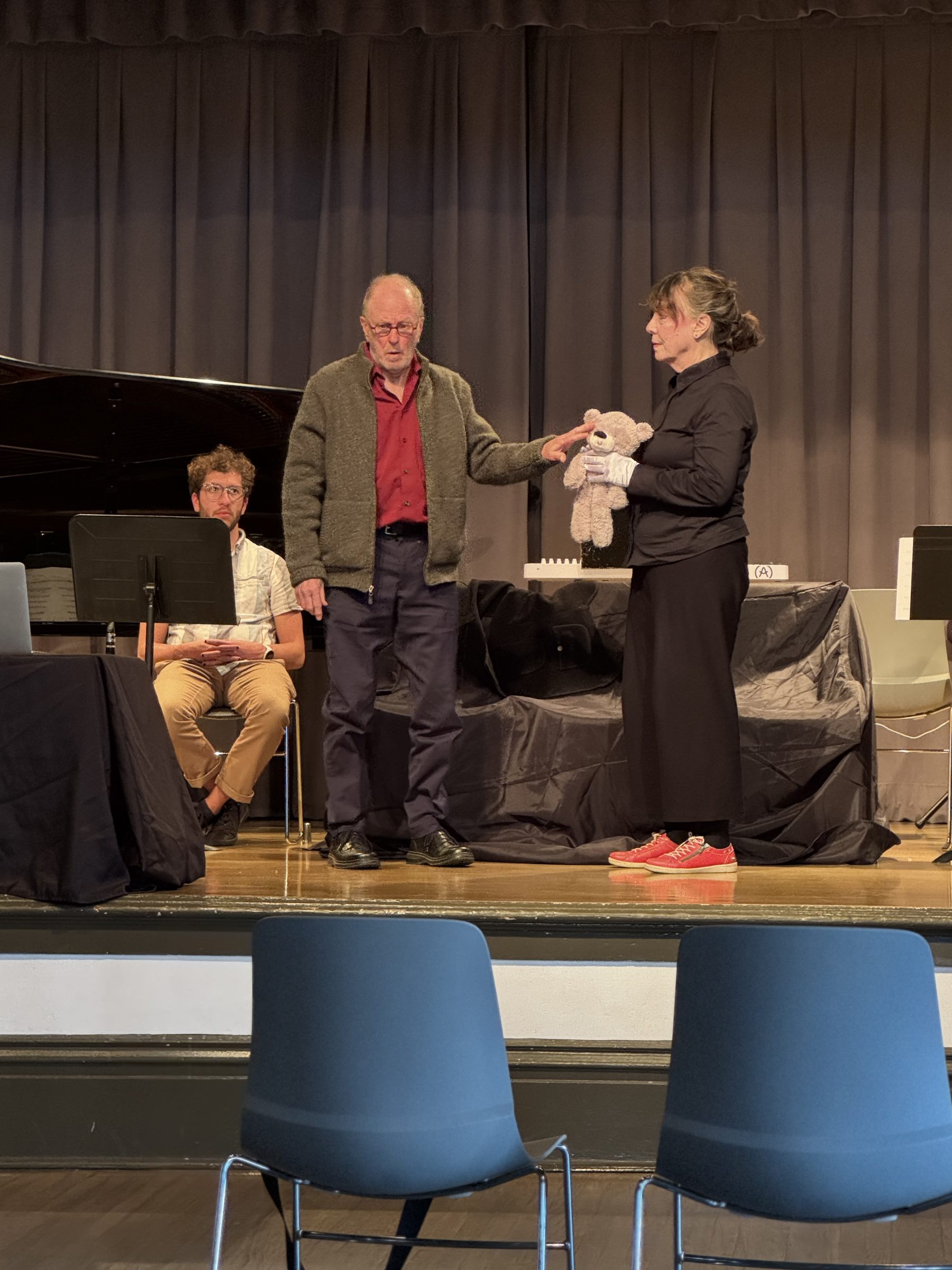
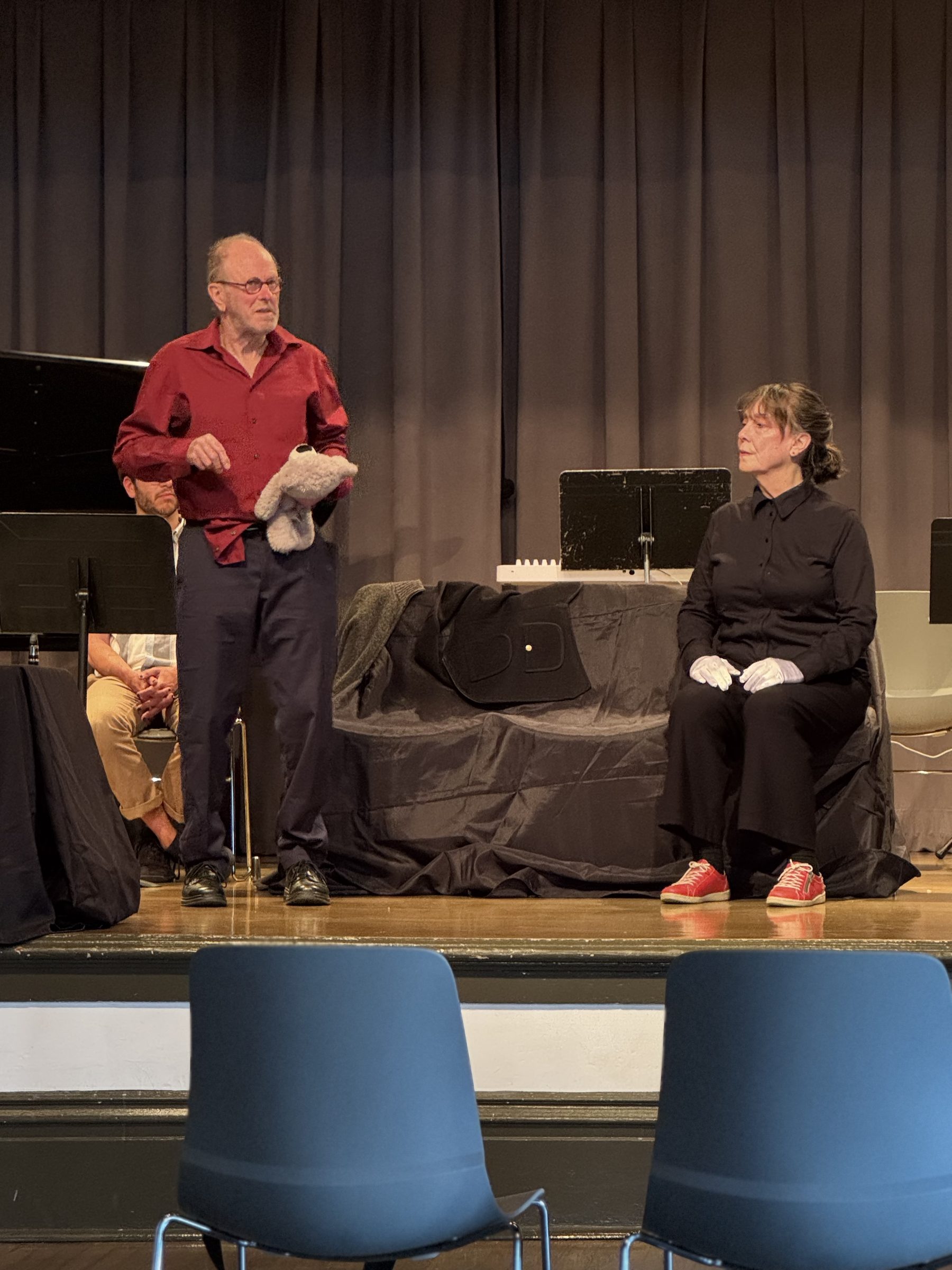
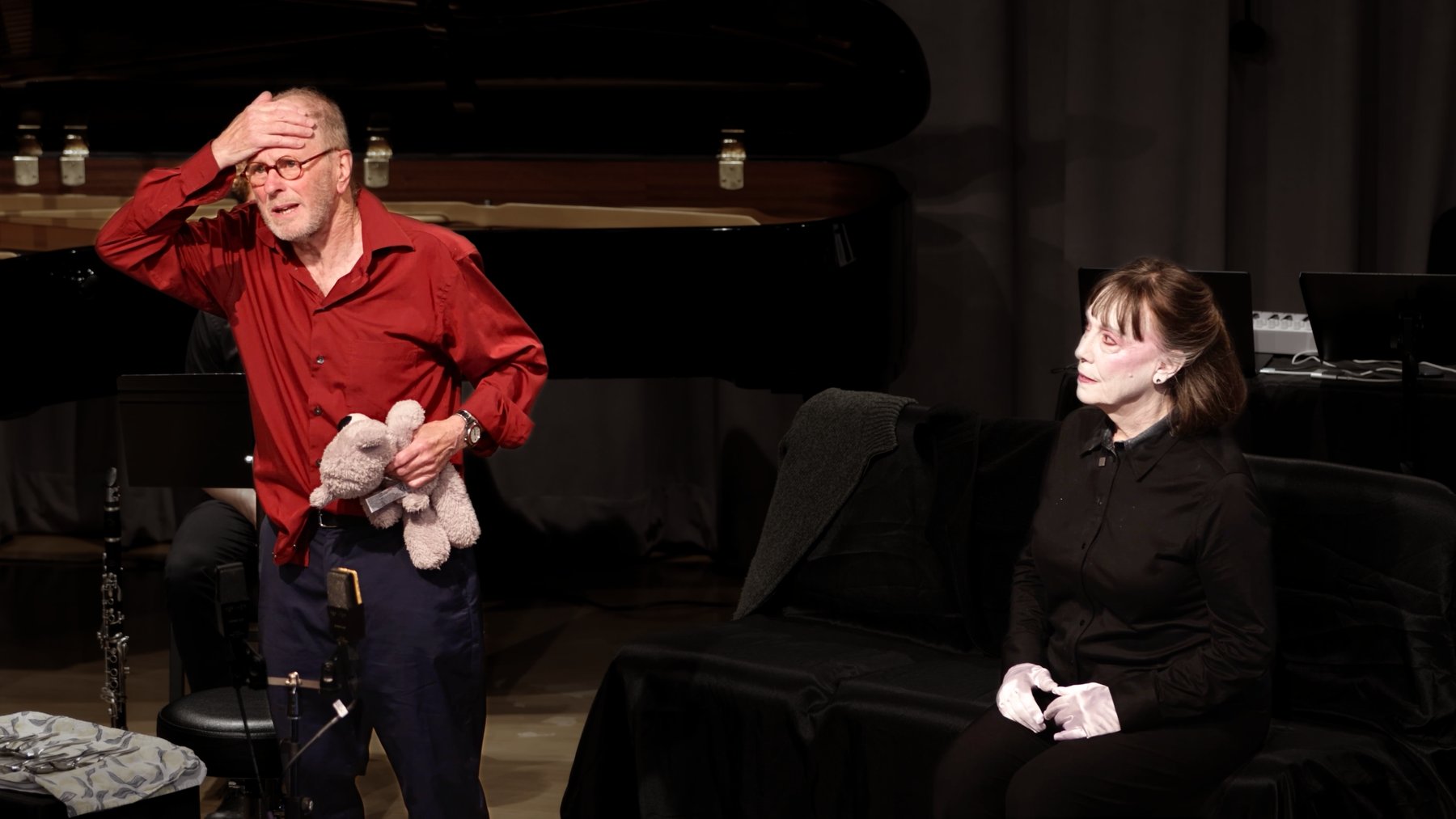
Mr. K and the AI caregiver figure on stage, holding a worn teddy bear

Theatre & Original Music · Aging — FTD — Alzheimer's Disease

Fragments of
Memories

A one-hour stage work in which theatre and original music meet as equal, independent voices — following one man's life across three possible unfoldings.

Composed, written & directed by İdil Özkan  ·  World Premiere — San Francisco, June 2025  ·  UCSF Memory and Aging Center & GBHI

About the Work

Fragments of Memories follows Mr. K, an elderly man, through three possible unfoldings of the same life: aging, frontotemporal dementia, and Alzheimer's disease.

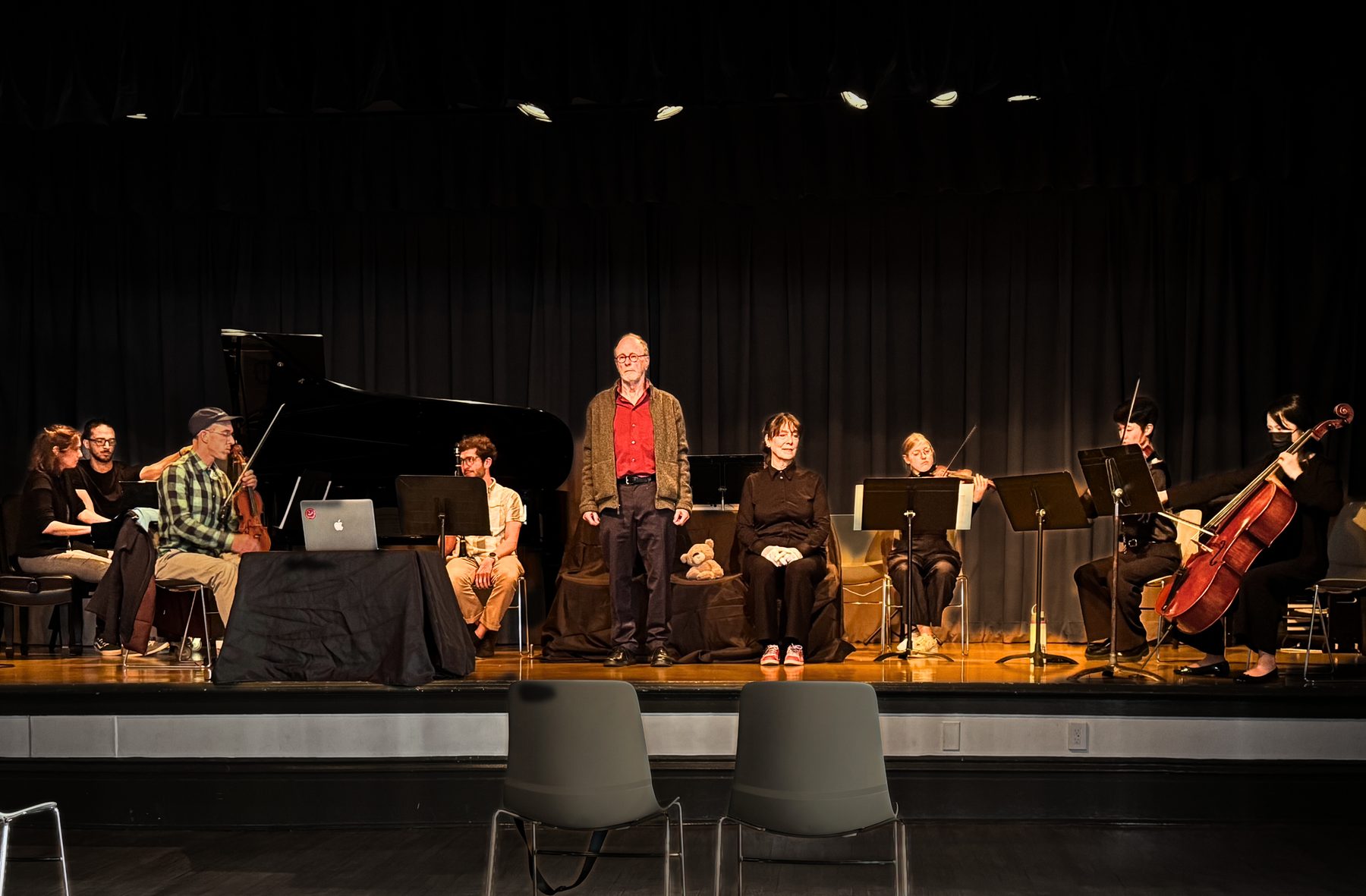
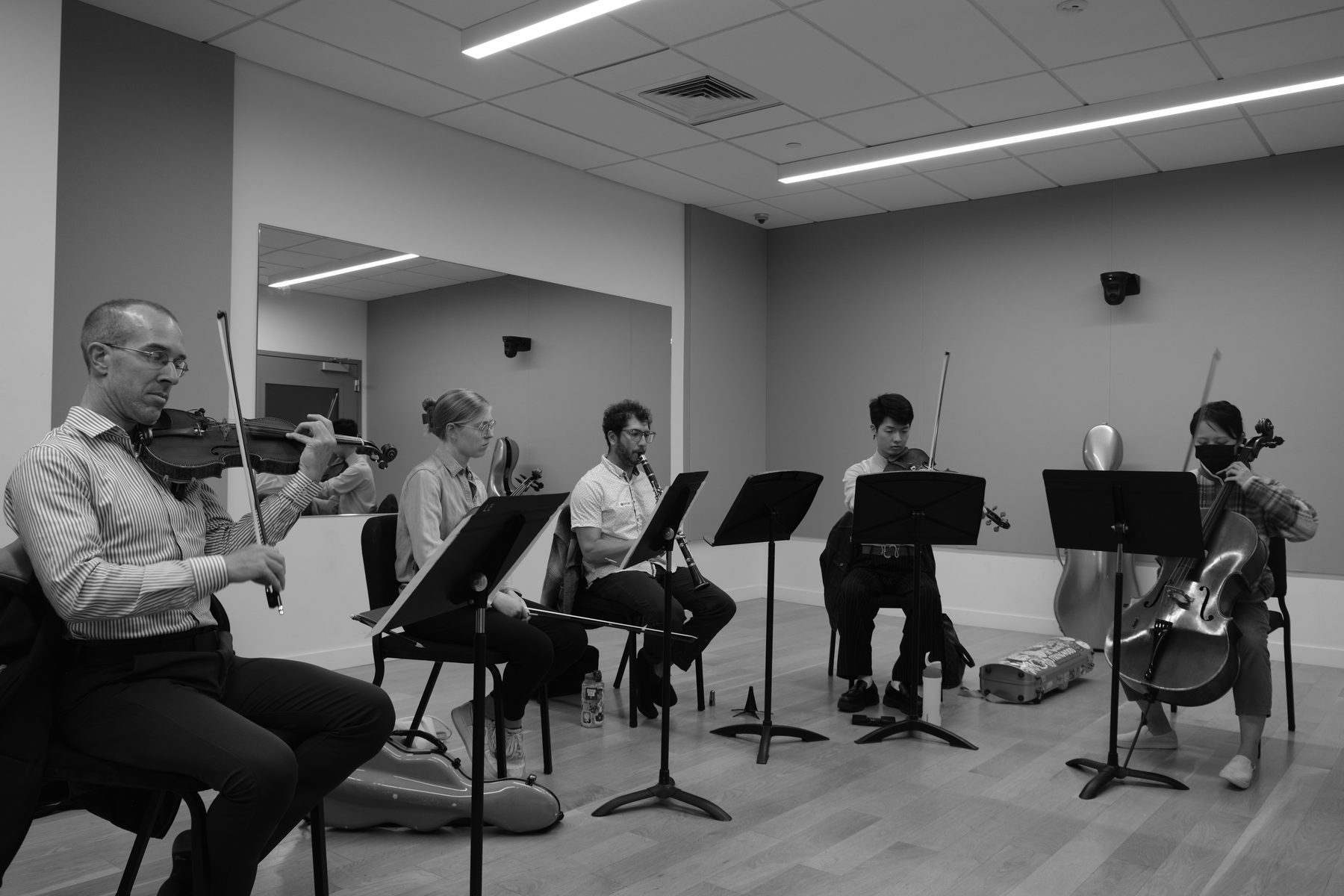
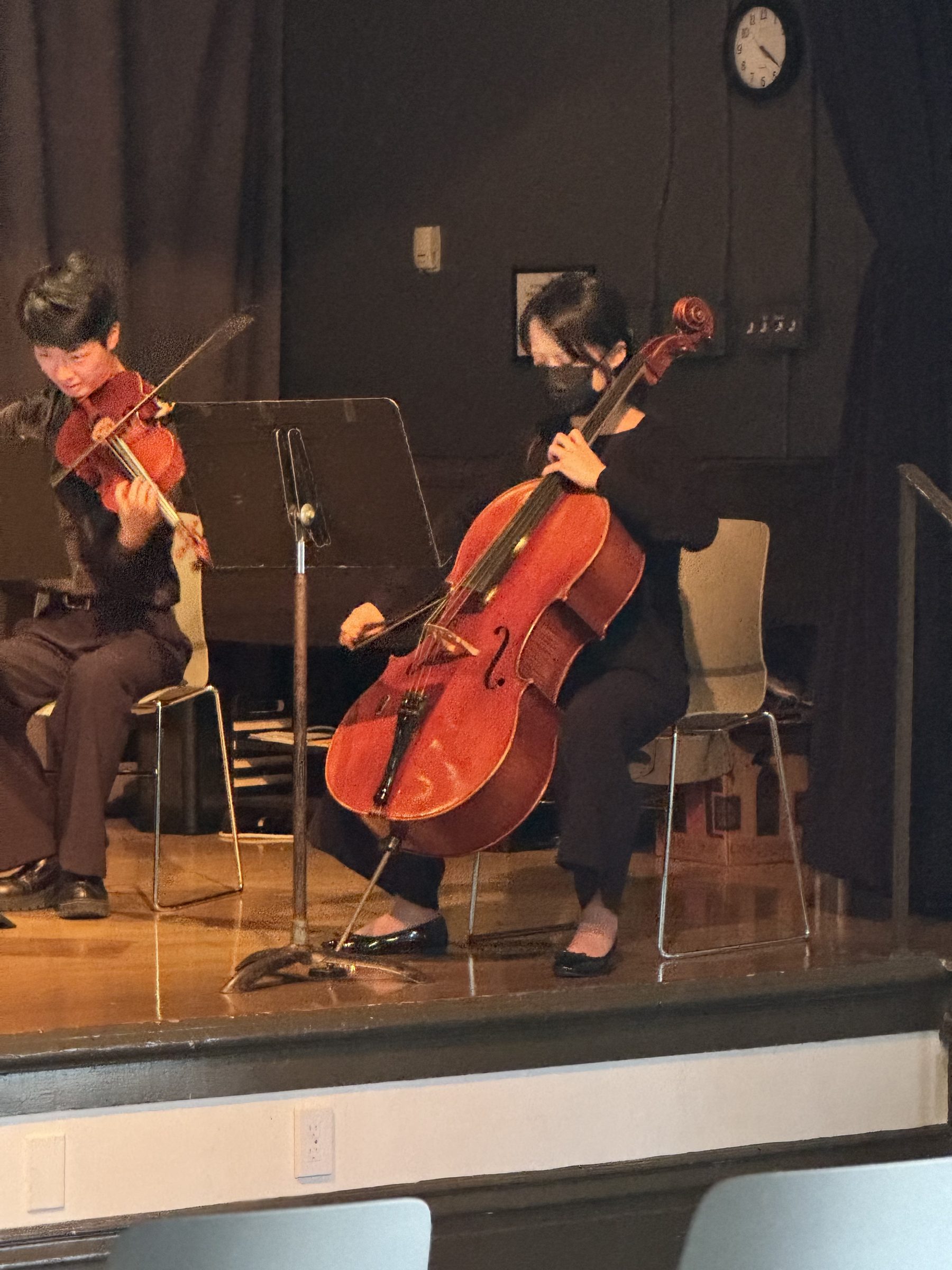
The work is not a musical — it is the organic partnership of two independent art forms. Two actors and six musicians share the stage and the same room, the same objects, the same AI narrator — but never the same truth twice. Each version unfolds in a different emotional key, and the original music is never illustrative of the theatre; it is structural, carrying what cannot be said aloud.

At the emotional center of the piece is a worn teddy bear — a small object that carries attachment, ownership, identity, and loss differently across all three paths. The work favours small, true moments over grand narrative arcs. Its form mirrors its subject: it fragments, drifts, and loops, so that the audience feels something of memory and identity loss in their own experience of watching.

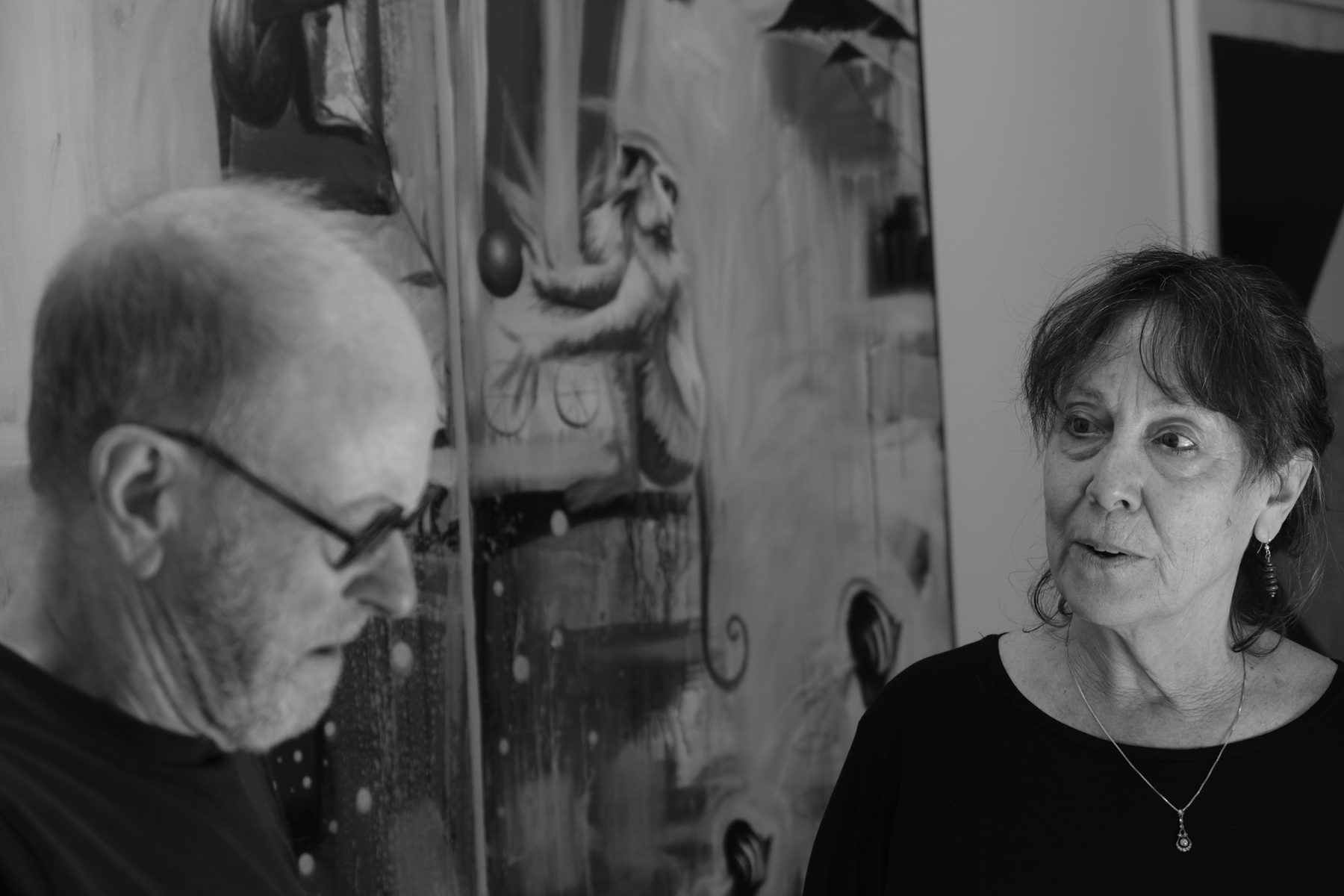
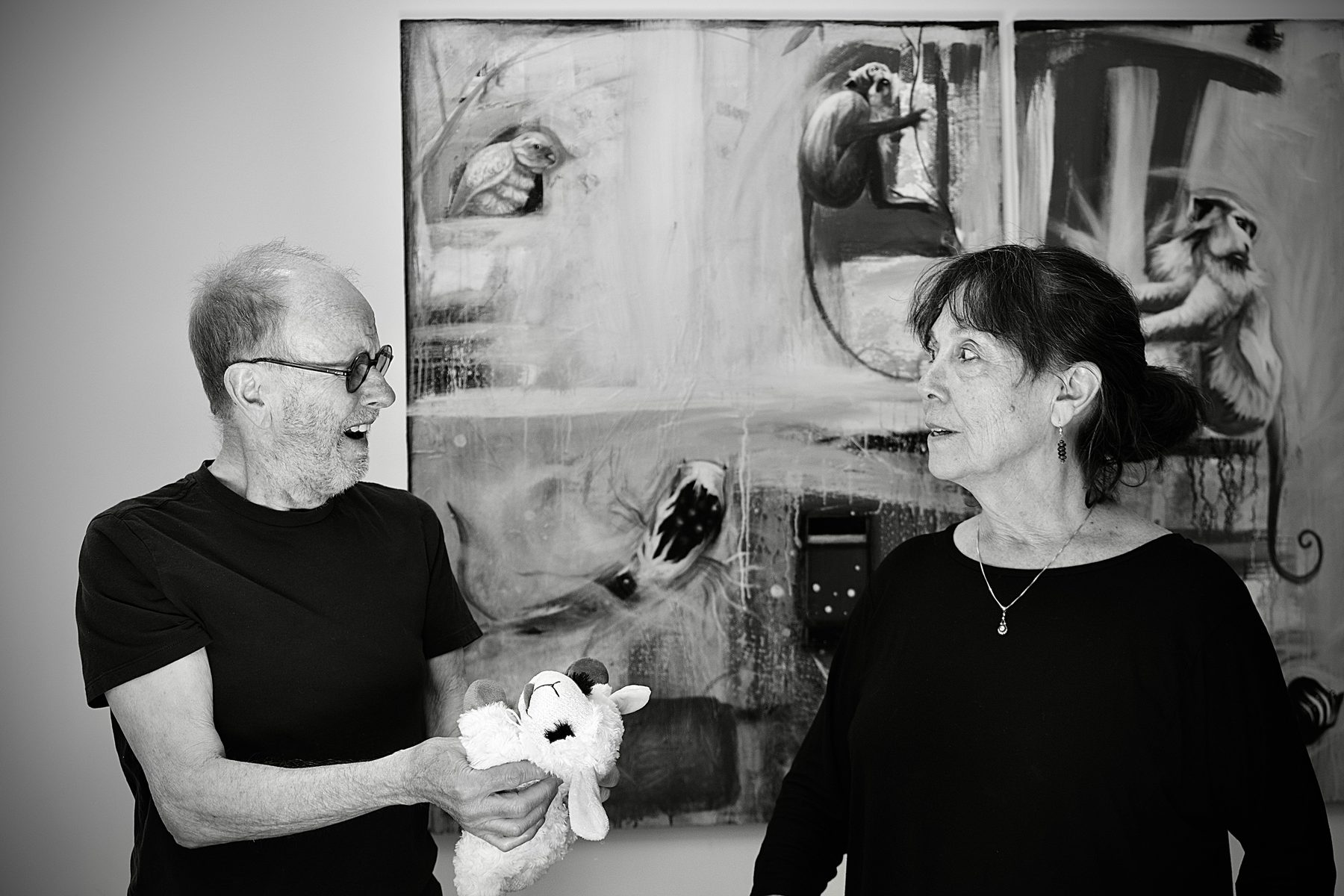
Black and white portrait of the two performers in rehearsal

Rehearsal portrait — San Francisco, 2025
01 — Aging

Mr. K Remembers

An upright, composed man confronts the quiet fear of becoming invisible, unnecessary, worn — and finds, through an old bear, that worn things are still loved.

02 — FTD

The Bear Stays

Disinhibition, obsession, and sudden cruelty reshape Mr. K's relationships — while brief moments of awareness flicker through: "as if I've stepped outside my own skin."

03 — Alzheimer's

Mr. K Is Missing Something

Words go missing, time folds in on itself, and the bear merges with a memory of his mother — while a patient AI holds what he can no longer hold himself.

Watch

Trailer

Trailer link coming soon

A short scene-by-scene excerpt reel and the post-performance panel discussion are also available on request.

Addressing Stigma

The most pervasive form of stigma around dementia is a kind of disappearance: the person recedes, replaced by their diagnosis.

Fragments of Memories refuses that erasure. Mr. K is not a patient — he has memories, humour, attachments, and small but meaningful moments. Dementia is not all that he is.

The work addresses stigma primarily through empathy — the kind that comes from being genuinely moved to witness another person's inner world. The theatrical scenes show what caregivers and observers see from the outside; then the music arrives, translating disinhibition, repetition, and disorientation into something audible and feelable. What was strange becomes human. What was feared becomes felt.

Music holds a particular relationship to dementia: it is one of the last faculties to decline. People who can no longer speak still respond to music — and Mr. K is drawn partly from the composer's own experience as a caregiver. Her father had Alzheimer's disease, and the music became a way to give him a voice after words were gone.

The two performers exchanging the teddy bear on stage

"Look. It's magic." — the bear, passed between two worlds.

Who It's For

Three audiences, one evening

General Audiences

Opens a door into the emotional terrain of aging and memory loss — territory most people will face, directly or as witnesses. Public health speaks to this mostly as information; Fragments of Memories makes it visceral.

Clinicians & Researchers

Where time and resource constraints often limit clinical encounters to a handful of functional words, the work invites professionals into the inner world of the person they treat.

Caregivers & Families

Offers visibility for the quiet weight of caregiving — exhaustion, grief, small impatiences, unexpected tenderness — creating a space where these feelings can exist and be recognised.

The San Francisco premiere drew exactly this range — general theatregoers, UCSF clinicians and dementia researchers, caregivers, and the Turkish-American community — confirming the work's ability to speak across very different kinds of listening.

Audience Response

What the premiere audience felt

21/26
said they were extremely likely to recommend the performance
24/26
said the evening increased their understanding of dementia
16/26
had lived experience caring for a loved one with dementia

"Emotional, empowered and connected."

— Simal Özen Irmak, PhD, MPH

"I was very moved by Geoff's performance and the music."

— Beryl Landau

"It was really emotional... the whole concept was mind blowing. Very original, well composed and well presented."

— M.L.

"It stirred a mix of emotions — sadness, nostalgia, and inspiration — and left me feeling more deeply connected to the lives and stories of others."

— Niall Kavanagh

"The shifting time signatures, the repetitive behaviours, and that haunting violin trying so gently to reach him brought back all those moments when I tried to connect with my dad, who had FTD... Are you still in there?"

— D.B., caregiver

"It made me question my own aging and my relationship with my kids."

— audience member

From a post-performance audience survey, San Francisco premiere, June 2025 (n=26). Quotes shown only from respondents who consented to their feedback being used in future materials.

Origins & Clinical Partnership

Fragments of Memories grew directly out of lived experience.

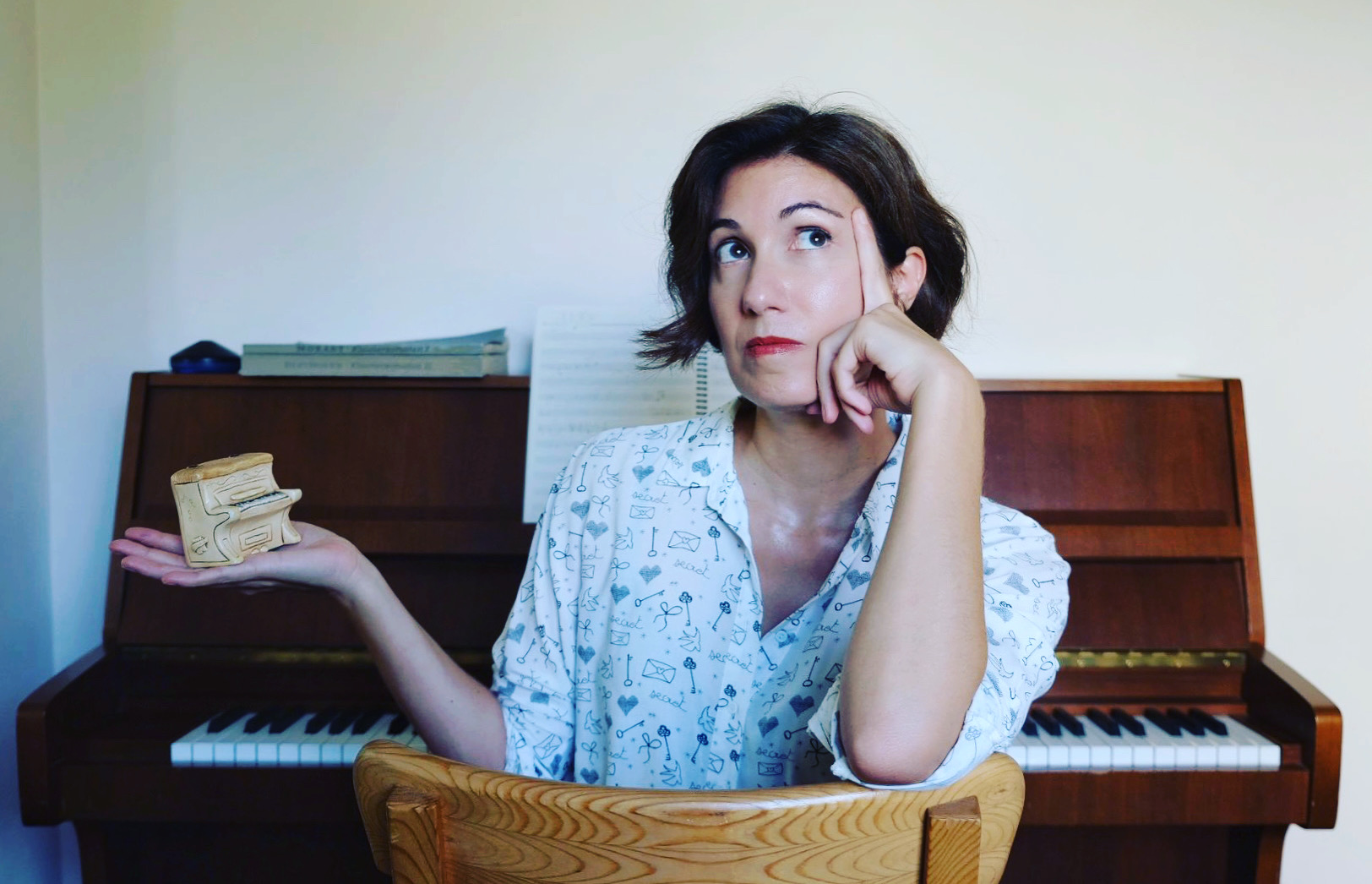
Composer and writer İdil Özkan cared for her own father as he lived with Alzheimer's disease, and was deeply affected by what she witnessed in him — moments that caught and repeated, a sense of moving between worlds without quite arriving in either. Writing this music became her way of finding a language for what she had witnessed, and of staying connected to her father after words were no longer available to either of them.

The work's clinical depth came through Dr. Kate Rankin and Dr. Bruce Miller at UCSF's Memory and Aging Center, who guided its development from early stages, alongside brainstorming sessions with members of the Rankin Lab. Many informal conversations with caregivers and people living with FTD and Alzheimer's disease shaped the piece further.

AFTD and the Alzheimer's Association joined the post-premiere panel discussion, offering their own perspectives on the work's portrayal of dementia. Separately, the cast and musicians received dementia-care training ahead of rehearsals, so that performance came from understanding rather than imitation.

İdil Özkan is a GBHI Atlantic Fellow for Equity in Brain Health and a UCSF Hellman Artist-in-Residence.

Credits & Premiere

Künye

World PremiereJune 18, 2025
VenueSan Francisco Community Music Center
Run timeApprox. 60 minutes
Composer, Writer & Director
İdil Özkan
Cast
Geoff Hoyle, Melinda Matice
Musicians
Aaron Colverson, Josh Choi, Jessica Folson, Kaan Kumru, Hung-Yu Lin, Daniel Macri, İdil Özkan
Clinical Advisors
Dr. Bruce Miller, Dr. Kate Rankin — UCSF Memory and Aging Center
Post-Premiere Panel
Claire Day, Jary Larsen, Bruce Miller, İdil Özkan, Kate Rankin — with AFTD & the Alzheimer's Association
Supported by
UCSF Weill Institute for Neurosciences / Memory and Aging Center, Global Brain Health Institute (GBHI)